
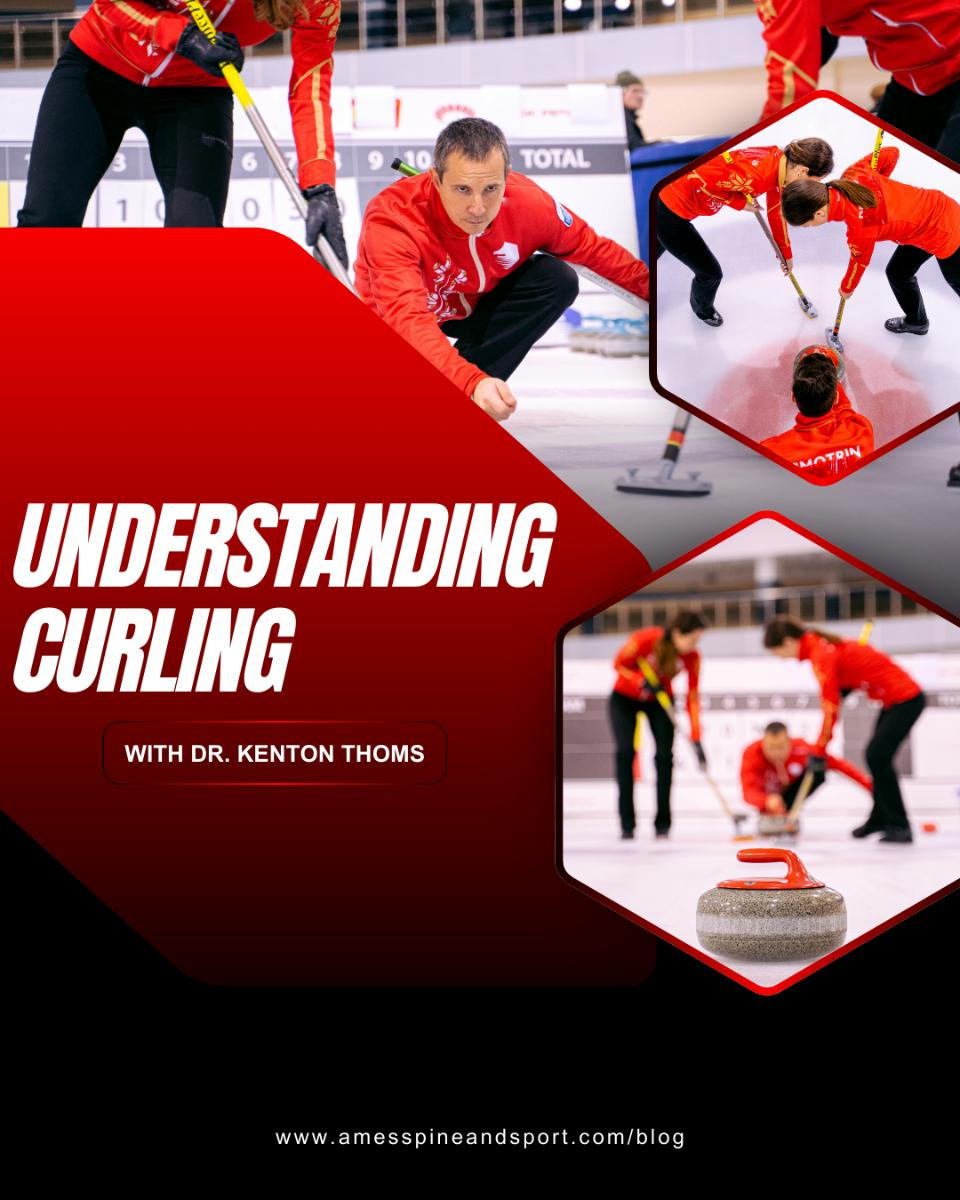
We are quickly approaching the halfway mark in the 2026 Winter Olympics. If you are anything like my household, the Olympics have been on the television every night after work. We love cheering on team USA and watching sports we don’t usually watch, but trying to figure out the scoring system or how the sports work can be difficult at times. Curling may be one of the most interesting but confusing sports out of all of them. We found ourselves asking what is the history of the sport, how do you score and how do you win. So let's spend some time talking about one of the most underrated sports in the Olympics!
Curling is thought to have originated around the 16th century with paintings and written evidence portraying the sport of sliding stones across frozen ponds in Europe. It is thought that an enjoyable pastime of sliding and throwing stones across frozen ice in the European winters eventually became the sport we see today. The first organized curling clubs were formed in Scotland and then spread across the world as people from Scotland settled in different countries. International curling competitions took place during the 19th century in Europe and North America but it wasn’t until the 1924 Olympic Winter games that there were any official international competitions. It officially joined the Olympics for medals in 1998, however it was retroactively accepted in 2006 as the Olympic debut with Great Britain winning gold. Curling gets its name due to the lateral movement of the stones as they slide down the ice.
Watching curling it is easy to think that the sport is very similar to shuffleboard and bocce ball. The easiest way to explain the goal of curling is you want to be in the middle of the target. The middle of the target is commonly known as the button. The team closest to the center of the button gets one point. They will then get 1 additional point for every stone closer to the pin than the closest opponent's stone. The stones must be touching the rings of the target to be eligible for scoring. So if Team A has a stone in the button and has 2 more stones closer than Team B's closest stone, then Team A gets 3 points. If Team A only has the one stone in the button and Team B has the next closest stone, then Team A gets 1 point. Curling is played in Ends, which are similar to innings in baseball. Each team takes turns of who goes first and who goes second depending on which End they are in, again similar to baseball and who is pitching and who is batting in each half of the inning. The team that is throwing the last stone in an End is considered to have the Hammer. It is typically thought that the team with the Hammer will most likely score due to having the last stone. Most points at the end of the game (10 ends in Men’s and Women’s events, 8 ends in Mixed doubles). In men’s and women’s events there are a total of 8 stones thrown. In mixed doubles, 5 stones are thrown.
Curling teams are typically made up of 4 players. Each teammate will throw 2 stones per end, but not every player will sweep every stone. The “Lead” is the player who throws the first two stones and then sweeps the remaining stones until the end. The “Second” throws the next two stones and sweeps every other stone thrown in the end. The “Vice” throws the 5th and 6th stones and only sweeps the first 4 stones. And lastly, the “Skip” throws the last two stones, is the captain of the team, is the one yelling and calling the shots for the team, and does not sweep.
Curling is one of those sports that may look boring at first glance, but can be very easy to get into when you start to really watch. Curling is scheduled to have events every day for the remainder of the Olympics. Hopefully this helps you understand the sport a little more and get you interested in a new sport that you may not have ever thought about in the past. Go Team USA!